📡 The Next Gen Influence
Highlights from the report by We Are Social.

The influencer marketing industry continues to see significant growth, with a reported 17% increase in influencer investment last year. The rise of a more professional landscape, combined with the need to be 'always online' and the pressures of the cost of living crisis, is impacting creators and their content.
Now, both sides are having to adapt to remain competitive and relevant.
To help brands navigate this space, the "Next Gen Influence: Trends Defining a New Era of Brand and Creator Collaboration" report uncovers five trends illustrating what the next generation of creators will look like.
The report from We Are Social provides an in-depth analysis of how the dynamic between creators and brands is evolving in response to cultural shifts and changing consumer expectations.
✷ The Right to Reinvention
Read more → The New York Times, Evie, Refinery29, The Guardian
→ Driven by a more age-inclusive culture means the creator economy doesn’t force people out after a brief window of youth, allowing creators to stay around for longer and constantly reshape their identities.
→ Being real is not "being always the same". It's OK to embrace your multiple selves and show the path to get to 'the better version of you' in the content. After all, social loves a ‘journey’, and 'personal evolution makes for good storytelling'.
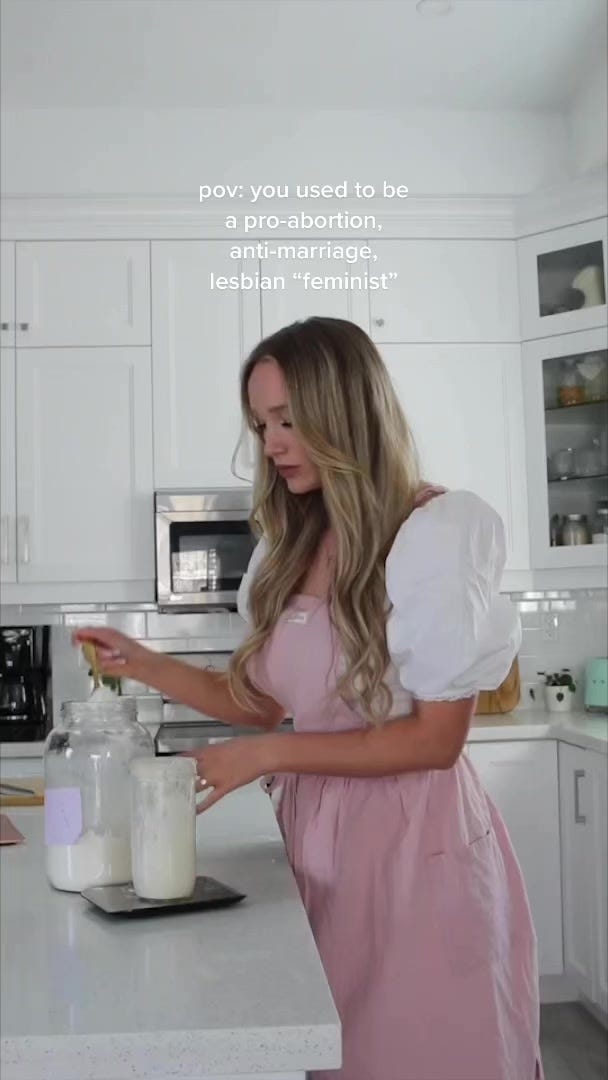
→ One example is Gwen the Milkmaid,
who became one of several “trad” influencers who got exposed for having a polar opposite online persona: GwenGwiz, the OnlyFans “model” who also had an ASMR YouTube channel that featured sexual content.
- Evie
 Tiktok failed to load.
Enable 3rd party cookies or use another browser
→ This presents a new reality that brands need to pay attention: since evolving your identity also means shaking up your audience, 'creators are playing with a delicate balance: planning their evolutions to win new viewers, without losing resonance with a core fan base.'